
Twin City Pipeworks Twin City Pipeworks Lake Elmo, MN
Why Is My Water Pressure Low? A Room-by-Room Guide for East Metro Homes

Low Water Pressure

Why Is My Water Pressure Low? A Room-by-Room Guide for East Metro Homes

Why is my water pressure low? A room-by-room troubleshooting guide for east metro homes: what you can safely check yourself, and the exact point it becomes a plumbing repair. Local advice from a licensed MN plumber.

Prefer to call or text? 651-247-4495

5.0 · 482 Google reviews Licensed Master Plumber Fully Insured
482+
Five-Star Google Reviews
14+
Years in the Trade
5.0
Rated on Google
100%
Licensed & Insured

About Twin City Pipeworks

Why Homeowners Trust Us for Low Water Pressure

If you are asking why is my water pressure low, the fastest way to get an answer is to figure out whether it is one fixture or the whole house, because those two problems have completely different fixes. Twin City Pipeworks is a licensed, insured MN plumbing shop working the east metro and St. Croix Valley within about 30 minutes of Lake Elmo, and a lot of the low-pressure calls we get can be sorted out at the kitchen sink with a wrench and ten minutes. This guide walks you through the checks you can safely do yourself, then draws a clear line at the point where it stops being a DIY job and becomes a plumbing repair with upfront, per-task pricing.

Here is the pattern we see that most online guides miss. In the older Stillwater, Oakdale, and Maplewood homes we work, whole-house pressure loss is very often a galvanized-pipe problem, not a valve or an aerator. Galvanized steel supply lines were standard in Minnesota houses built before roughly 1960, and they corrode from the inside out. The rust builds a rough scale that narrows the pipe over decades until a 3/4-inch line has the working diameter of a pencil. So before you replace a perfectly good faucet chasing pressure, it pays to know whether your house is running on original galvanized pipe.

Why Is My Water Pressure Low? Start With One Question

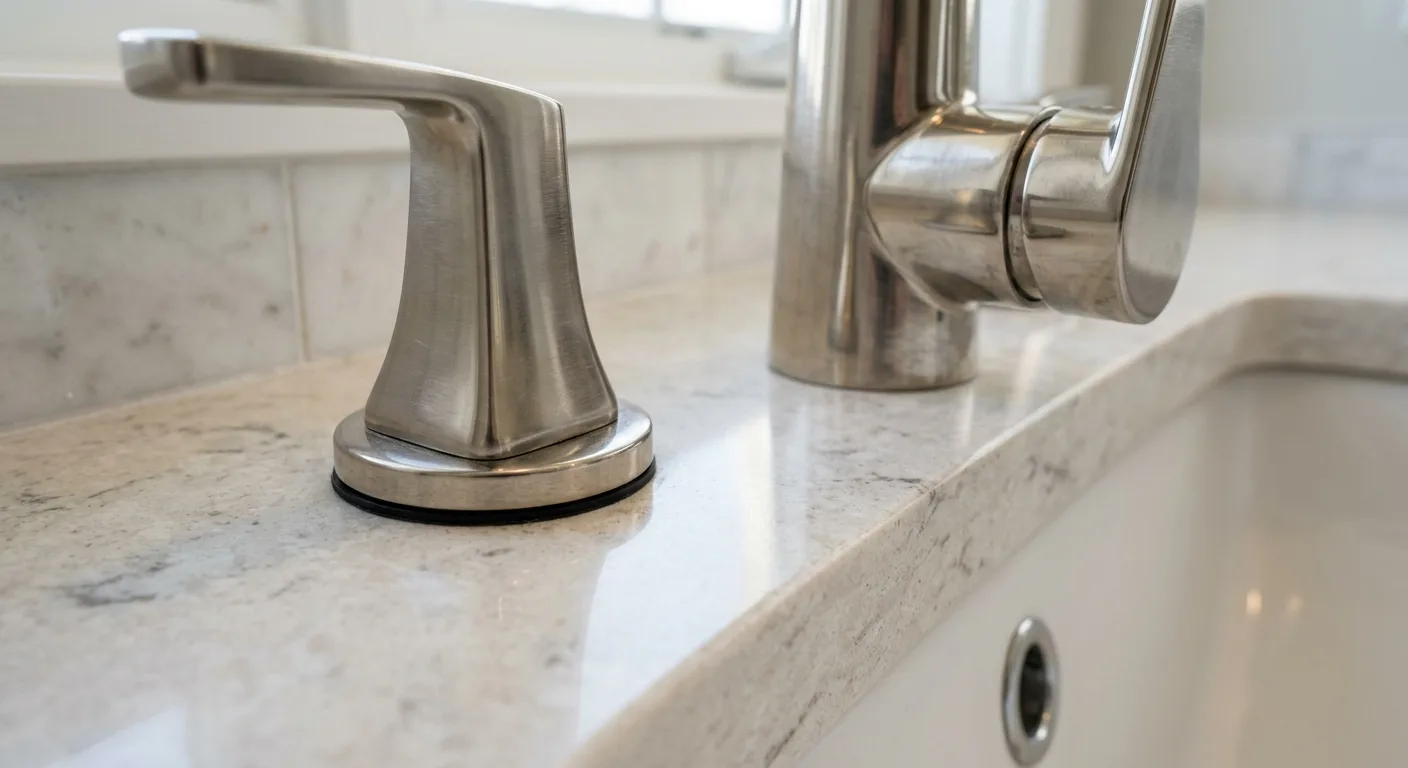
Cleaning a clogged faucet aerator to restore low water pressure at a single fixture

Low water pressure comes down to one first question: is it every fixture in the house, or just one or two? Whole-house pressure loss points at the main supply, the pressure-reducing valve, or corroded pipe. A single slow faucet or showerhead is almost always a clogged aerator, a stuck cartridge, or a half-closed shutoff, which are cheap and often DIY-fixable.

Corroded galvanized supply line being replaced to fix whole-house low water pressure in an older Minnesota home

Run this quick test before anything else. Turn on the cold water at your kitchen sink, then the bathroom sink, then a shower, one at a time, and notice which ones are weak.

Cleaning a clogged faucet aerator to restore low water pressure at a single fixture

  • One fixture weak, the rest fine = local problem at that fixture. Jump to the single-faucet section below.
  • Everything weak, hot and cold = whole-house problem. Keep reading the next section.
  • Only hot water weak everywhere = usually sediment in the water heater or a failing hot side, worth a look from a plumber.
  • Pressure that fell off suddenly rather than fading over months = check for a running toilet, an open outdoor faucet, or a hidden leak.

Corroded galvanized supply line being replaced to fix whole-house low water pressure in an older Minnesota home

Cleaning a clogged faucet aerator to restore low water pressure at a single fixture

Sort the one-fixture-versus-whole-house question first and you have already narrowed the problem more than most homeowners do before they pick up the phone.

Why Twin City Pipeworks

Low Water Pressure at One Faucet: The DIY Checks

Low water pressure at one faucet is the good news scenario. Nine times out of ten it is a clogged aerator, a partially closed shutoff, or a worn cartridge, and all three are things a handy homeowner can check without any special tools. Work through these in order:

Clean the aerator first

The aerator is the little screen that screws onto the tip of the faucet. Unscrew it by hand or with tape-wrapped pliers, and you will usually find it packed with white mineral scale or grit. Soak it in vinegar, rinse, and reinstall. This is the single most common fix.

Check the shutoff valves

Look under the sink for the two small valves feeding it. A valve that got bumped half-closed during a cabinet cleanout throttles pressure at that fixture only. Turn both fully counterclockwise (open) and retest.

Clear the showerhead

A weak shower with a strong sink is almost always scale in the showerhead. Unthread it and soak it in vinegar overnight, or poke the nozzle holes clear. Same mineral buildup, same easy fix.

Suspect the cartridge

If the aerator and valves are clear but the faucet is still weak, the internal cartridge may be worn or clogged. That is a genuine repair, and it is the point where our faucet and fixture repair service takes over.

Low Water Pressure in the Whole House: What It Usually Means

Cleaning a clogged faucet aerator to restore low water pressure at a single fixture

Low water pressure in the whole house means the problem is upstream of your fixtures: the main water supply into the home, the pressure-reducing valve, or the pipe itself. A couple of these you can check yourself, but the biggest cause in older east metro homes needs a plumber.

Corroded galvanized supply line being replaced to fix whole-house low water pressure in an older Minnesota home

Start with the two easy ones. If your home has a pressure-reducing valve (a bell-shaped valve near where the main enters, common on newer builds), it can drift out of adjustment or fail. And check that your main shutoff is fully open, because a valve that got left three-quarters closed after a repair chokes the whole house.

Cleaning a clogged faucet aerator to restore low water pressure at a single fixture

The galvanized-pipe story in pre-1960 homes

Corroded galvanized supply line being replaced to fix whole-house low water pressure in an older Minnesota home

Here is the cause we find most often in Stillwater, Oakdale, and Maplewood houses. Homes built before roughly 1960 were plumbed in galvanized steel, and that steel rusts from the inside. Over 50-plus years the rust scale narrows the pipe until flow drops noticeably. The tell is gradual whole-house pressure loss that got worse year over year, sometimes with rusty or discolored water on the first draw in the morning.

Cleaning a clogged faucet aerator to restore low water pressure at a single fixture

When we cut out a section of old galvanized line in a Stillwater basement, the inside of the pipe often looks like the inside of a clogged artery. That is not something you can flush out. The narrowed pipe has to come out.

Corroded galvanized supply line being replaced to fix whole-house low water pressure in an older Minnesota home

If your pressure faded slowly over years and your house is old enough for galvanized pipe, cleaning aerators will not touch it. The fix is replacing the corroded supply lines, which is exactly what our pipe repair for corroded supply lines service handles, with a per-task quote before any work starts. Not sure whether it is corroded pipe or a hidden leak dropping your pressure? Get an instant quote on common repairs, or book a diagnostic visit online.

Why Twin City Pipeworks

How to Fix Low Water Pressure: DIY vs. When It Is a Repair

How to fix low water pressure depends entirely on where the restriction is. This is the honest decision tree we would give a neighbor, including the cases where you should not pay anyone because you do not need to:

Fix it yourself

Clogged aerator, scaled showerhead, or a shutoff valve someone bumped closed. These are ten-minute jobs with a wrench and some vinegar. If cleaning the aerator restored full flow, you are done. Do not book a plumber for a screen full of scale.

Time to book a repair

A weak faucet after the aerator and valves are clear (worn cartridge), sudden pressure loss with no obvious cause, or discolored water alongside low pressure. These need a plumber to diagnose and fix correctly.

Almost certainly a repair

Gradual whole-house pressure loss in a pre-1960 east metro home. That is the galvanized-corrosion pattern, and the only real fix is replacing the corroded supply lines. No DIY resolves it.

Might be a hidden leak

Pressure that dropped suddenly, especially with a spike in your water bill or a damp spot, can mean a leak is bleeding off pressure before it reaches your fixtures. That needs to be located before anything gets cut open.

Book your repair

Checked the Easy Stuff and Still Low?

If you have cleaned the aerators, opened the shutoffs, and your pressure is still weak, the problem is deeper than a screen full of scale. Twin City Pipeworks handles faucet and fixture repair for a single weak fixture and pipe repair for corroded supply lines for whole-house galvanized-pressure loss, across the east metro and St. Croix Valley. Upfront per-task pricing, fully insured, 1-year warranty on all work. Get an instant quote on a common repair, or book your visit online. Prefer a person? Call or text (651) 247-4495.

Prefer to call or text? 651-247-4495

Two easy ways to get started

  • Book online — pick a visit time that works for you, no phone tag.
  • Get a repair quote — common repair tasks priced in minutes with our online tool.

Keep Exploring

Where to Next?

Jump straight to the service or info you need, or book your repair online any time.

Twin City Pipeworks

Ready to get it fixed right?

Honest, upfront pricing and a 1-year warranty on every job. Book your visit online, or get an instant quote on a common repair.

Prefer to call or text? 651-247-4495

Good to Know

Frequently Asked Questions

Does low water pressure mean I have a leak? +
Not always, but it can. A leak somewhere between your main and your fixtures bleeds off pressure before it reaches the tap, so a sudden pressure drop, especially paired with a higher-than-normal water bill or a damp spot, is worth investigating. Gradual pressure loss over years is more often corroded galvanized pipe than a leak. If you suspect a leak is behind it, our leak detection and repair service locates the source before anyone starts cutting into walls or floors.
Can a plumber fix low water pressure? +
Yes, once the cause is identified. If it is a worn faucet cartridge, we handle it with faucet and fixture repair. If it is corroded galvanized supply lines dropping pressure across the whole house, which is common in pre-1960 east metro homes, we replace the affected sections with pipe repair for corroded supply lines. What a plumber cannot do is fix a problem that was never a plumbing problem, like a clogged aerator you could have cleaned yourself, so we will always tell you if the DIY route solves it.
Why is my water pressure low in just one faucet? +
Low pressure at a single fixture is almost always local to that fixture. Start with the aerator, the small screen on the faucet tip, which packs with mineral scale over time. Then check that both shutoff valves under the sink are fully open. If the faucet is still weak after both are clear, the internal cartridge is likely worn or clogged, which is a straightforward repair.
Why is my whole house losing water pressure? +
Whole-house pressure loss points upstream of your fixtures: a failing pressure-reducing valve, a main shutoff that is not fully open, or corroded supply pipe. In older Stillwater, Oakdale, and Maplewood homes built before about 1960, the usual culprit is galvanized steel pipe that has rusted and narrowed from the inside over decades. That gradual, house-wide loss is not fixable by cleaning fixtures. The corroded lines need to be replaced.
How do I fix low water pressure myself? +
Three things are safely DIY. Clean the aerator by unscrewing it and soaking it in vinegar. Confirm the shutoff valves under the sink are fully open. Soak a scaled showerhead in vinegar overnight. If those restore your flow, you are done and you do not need a plumber. If the fixture is still weak, or the whole house is low, or the water is discolored, that is the line where it becomes a repair.
Our Process

How It Works

From online booking to finished job, simple and transparent every step of the way.

01

Book Online

Pick a visit time online, or get an instant quote on a common repair. No phone tag.

02

Upfront Quote

We assess your job and give you clear, honest pricing before any work begins. No surprises.

03

We Get to Work

A licensed plumber shows up on time, does the job right, and cleans up when finished.

04

Job Done Right

We walk through the finished work with you, backed by our 1-year warranty on all work.

Ready to get your plumbing fixed?

Book online in under a minute. Prefer to call or text? 651-247-4495.

Book Online