Twin City Pipeworks Twin City Pipeworks Lake Elmo, MN
Water Heater Making a Rumbling or Popping Noise? Here Is What the Sediment Is Telling You

Noisy Water Heater

Water Heater Making a Rumbling or Popping Noise? Here Is What the Sediment Is Telling You

Water heater making a rumbling or popping noise? It is almost always sediment at the tank bottom. Here is what the sound means, how to flush it safely, and the point where a flush will not save the tank. East metro plumbing advice from a licensed MN plumber.

Prefer to call or text? 651-247-4495

5.0 · 482 Google reviews Licensed Master Plumber Fully Insured
482+
Five-Star Google Reviews
14+
Years in the Trade
5.0
Rated on Google
100%
Licensed & Insured

About Twin City Pipeworks

Why Homeowners Trust Us for Noisy Water Heater

If your water heater is making a rumbling or popping noise, that sound is almost always sediment at the bottom of the tank, and the fix depends entirely on how far it has gone. Twin City Pipeworks is a licensed, insured MN plumbing shop working the east metro and St. Croix Valley within about 30 minutes of Lake Elmo, and this is one of the most common water heater calls we get across the area. This guide explains exactly what the noise means, the flush you can safely try yourself, and the clear point where a flush will not save the tank and it becomes a repair with upfront, per-task pricing.

Here is the local angle most online guides miss. The east metro serves up two different water problems that both feed the same sediment layer. Homes on municipal water in cities like Woodbury, Oakdale, and Maplewood run genuinely hard water heavy in dissolved calcium, and the outer cities we cover, Grant and Scandia among them, pull from private wells loaded with calcium and iron. Both drop minerals to the bottom of the tank as the water heats. That is why a Washington County water heater can sound ten years older than its install date, and why the noise deserves a real look instead of a shrug.

Water Heater Making a Rumbling Noise: What Is Actually Happening

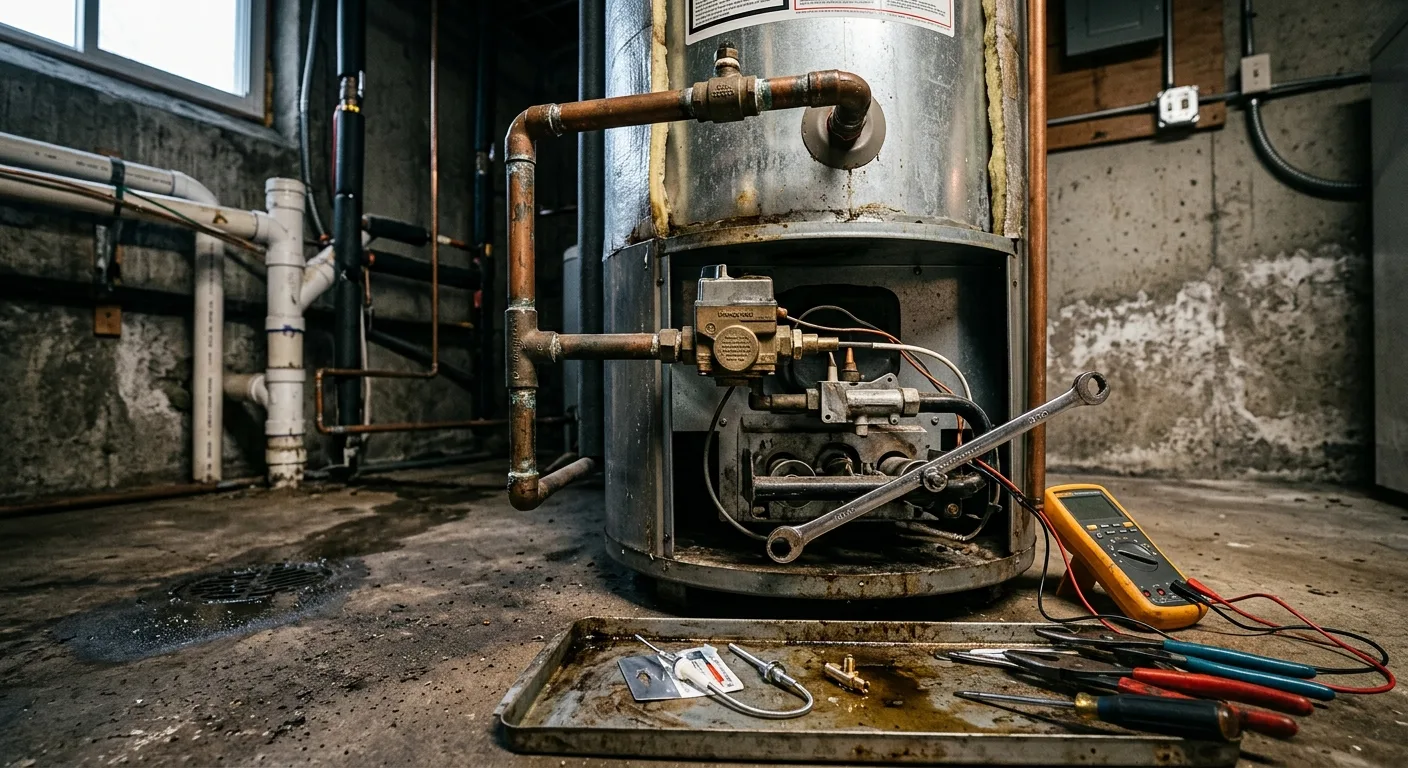
Licensed east metro plumber servicing a residential gas water heater with sediment buildup

A water heater making a rumbling noise is telling you sediment has built into a layer across the tank bottom, right on top of the burner or lower heating element. The physics are simple and worth understanding, because it explains both the sound and why it costs you money.

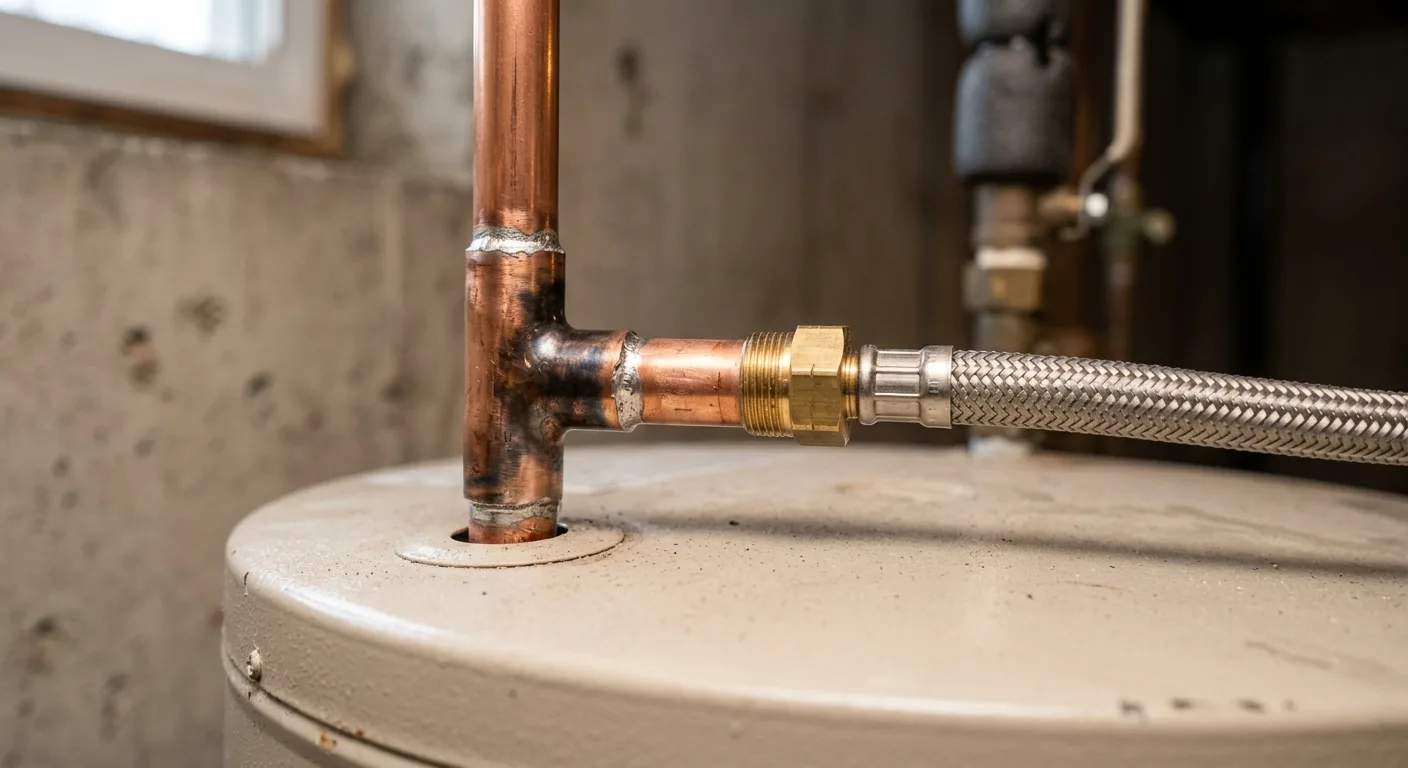
Draining sediment from the bottom of a residential water heater tank during a flush

Minerals dissolved in your water settle out as the water heats and drop to the lowest point in the tank. Over months and years they harden into a crusty layer of scale. On a gas unit the burner sits directly under that layer. On an electric unit the lower element is buried in it. Either way, water gets trapped underneath, superheats into steam pockets, and those bubbles force their way up through the sediment and collapse. That popping and collapsing is the rumble, the crackle, and the kettle-boiling sound you are hearing.

Draining sediment from the bottom of a residential water heater tank during a flush

The sound itself will not flood your basement. What it costs you is efficiency and lifespan. The sediment insulates the water from the heat source, so the burner or element has to run longer and hotter to warm the same water, which drives up your energy use and cooks the tank steel from the inside. Left alone long enough, that overheating is what cracks a glass liner or fails a tank early.

Why Twin City Pipeworks

Water Heater Popping Sound: What Each Noise Usually Means

Not every water heater noise is the same problem, and the specific sound narrows down what is going on inside the tank. A popping sound points at sediment, but a few other noises show up too. Here is how to read what you are hearing:

Popping and crackling

The classic sediment sound. Steam bubbles bursting up through a hardened mineral layer at the tank bottom. If your unit pops and crackles when it fires up, sediment is the near-certain cause and a flush is the first thing to try.

Rumbling or kettle-boiling

A deeper rumble, like a kettle coming to a boil, means the sediment layer is thick. Water is trapped and violently boiling under a heavy crust. This is a more advanced version of the same problem and often past the point a flush fully fixes.

Ticking or tapping

A light tick or tap, usually right after hot water use, is normal thermal expansion of the pipes and heat traps as they warm and cool. On its own this is not a sediment problem and not something to worry about.

Screeching or high whistle

A high whistle usually points at a valve that is not fully open or a restricted inlet, not sediment. Check that the shutoff feeding the heater is all the way open. If it persists, it is worth a look from a plumber.

How to Flush Sediment From a Water Heater (Safely)

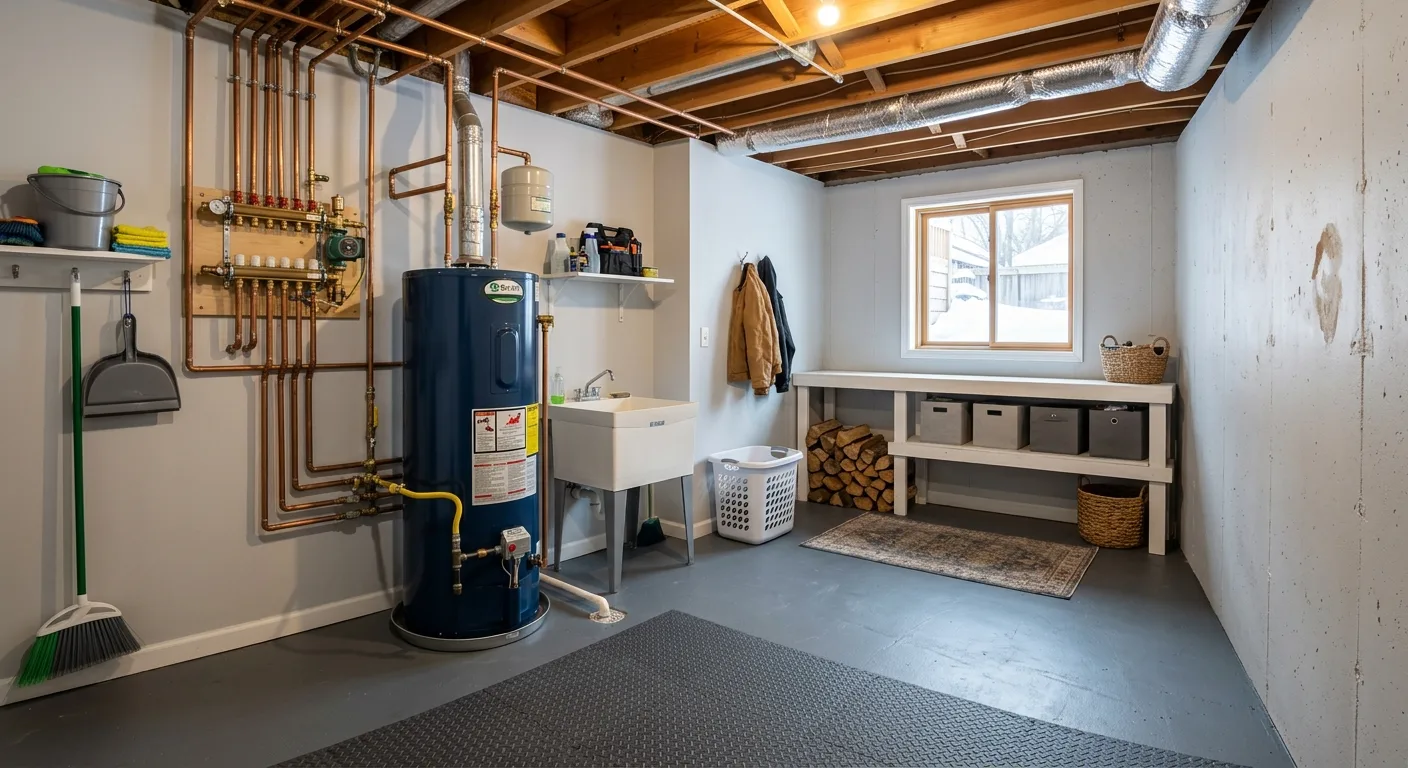
Licensed east metro plumber servicing a residential gas water heater with sediment buildup

If you caught the noise early, flushing sediment from the water heater is a job a careful homeowner can do, and it is genuinely worth trying before you pay anyone. Done right, a flush drains the loose sediment out of the tank and quiets a unit that is not too far gone. Work through these steps in order and do not rush the cool-down.

  1. Cut the power or gas. On an electric unit, switch off the breaker feeding the heater. On a gas unit, turn the gas control to the pilot or off setting. Never drain a tank with the burner or element live, because a heat source firing on an empty tank ruins it fast.
  2. Let it cool, then shut the cold inlet. Give the tank a couple of hours to cool so you are not working with scalding water. Then close the cold water shutoff valve on top of the heater.
  3. Hook up a hose and open a hot tap. Connect a garden hose to the drain valve at the bottom of the tank and run it to a floor drain or outside. Open a hot water faucet somewhere in the house to break the vacuum and let the tank drain freely.
  4. Drain, then blast it clear. Open the drain valve and let the tank empty. Once it is drained, briefly open the cold inlet in short bursts to stir up and push out the settled sediment. Repeat until the water runs clear instead of cloudy or gritty.
  5. Close up and refill. Close the drain valve, remove the hose, open the cold inlet fully, and let the tank refill with the hot tap still open. When water runs steady from that faucet, the tank is full. Only then restore power or relight the gas.
A yearly flush is the single best habit for water heaters on hard east metro water or a mineral-heavy well. It is the difference between a tank that hits its rated life and one that quits at year seven.
Draining sediment from the bottom of a residential water heater tank during a flush

If the water never runs clear, the drain valve clogs solid with sediment, or the noise is the same after a full flush, that is your signal the buildup has moved past what a home flush can reach. At that point book a water heater repair online and we will diagnose whether the tank is worth saving.

When a Flush Will Not Save the Tank

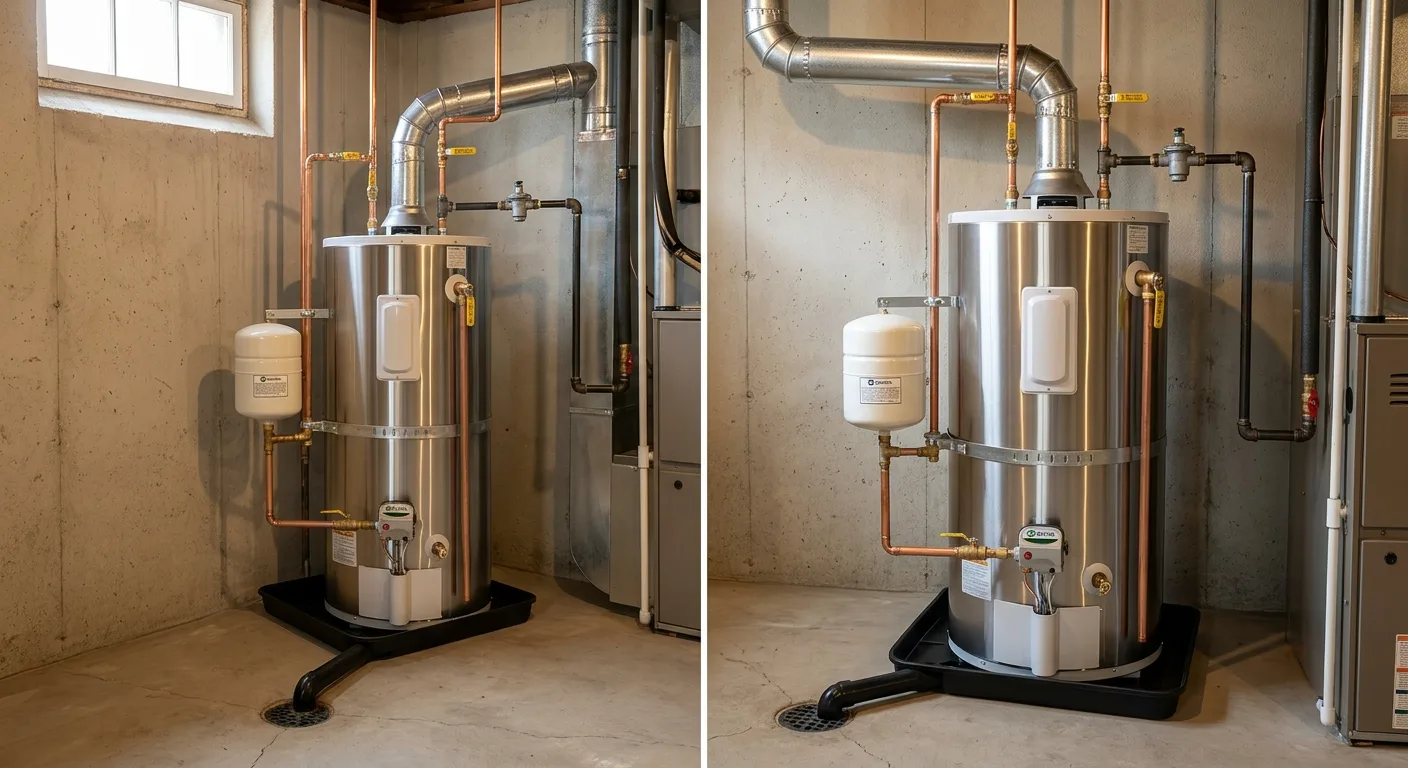
Licensed east metro plumber servicing a residential gas water heater with sediment buildup

Here is the honest part a lot of shops will not say out loud. A flush works on loose, recent sediment. It does nothing once the buildup has fused into a hard shell or scaled a heating element solid, and no amount of draining reverses that.

Draining sediment from the bottom of a residential water heater tank during a flush

There are a few clear signs the flush is no longer the answer. The rumble is loud and constant even right after you flushed it. The drain valve is packed so tight nothing comes out, or only a trickle of gritty water does. An electric unit heats slowly or runs out of hot water fast, which usually means the lower element is buried and scaled. Or the water still smells or looks off after a full flush. Each of these means the sediment has bonded to the tank bottom or the element, and that is a repair-or-replace decision, not a maintenance one.

Draining sediment from the bottom of a residential water heater tank during a flush

When the flush is not enough, the real question is repair versus replace, and it comes down to age plus the type of failure. If the unit is under about eight years old and the fault is a serviceable part, like a scaled element, a bad thermostat, or a failing anode rod, a repair almost always makes sense. Once a tank crosses ten to twelve years, the standard service life, and the sediment has already cooked the steel, putting money into it usually is not worth it. Losing hot water entirely is a related but different problem, and our no hot water triage guide walks through that one. When you are ready, book a water heater repair online with upfront per-task pricing before any work starts.

Grant, Scandia, and the Well-Water Sediment Problem

Grant, Scandia, and the Well-Water Sediment Problem

The outer cities we cover deal with a heavier version of this problem than the municipal-water suburbs. Grant, Scandia, and the rural stretches around them run largely on private wells, and Washington County groundwater out there is genuinely hard, loaded with calcium and iron. That mineral load drops out faster and builds a denser layer, so a well-fed tank can sound and behave older than a city unit the same age. We see this pattern constantly on the road north of Lake Elmo. A homeowner calls about a rumbling heater assuming it is dying, when a proper flush and a fresh look at the anode rod buys real years. The flip side is also true out here: a unit that has been running unflushed on well water for a decade is often genuinely past saving, and we will tell you that straight rather than sell you a repair that will not hold. Get an instant quote on a common repair, or book online to get on the schedule.

Book your repair

Rumbling Heater You Cannot Quiet? Book a Repair

If you have flushed the tank and the popping or rumbling is still there, the sediment has moved past what a home flush can reach and it is time for a real diagnosis. Twin City Pipeworks handles water heater repair across the east metro and St. Croix Valley, within about 30 minutes of Lake Elmo. Upfront per-task pricing, fully insured, 1-year warranty on all work. Lost hot water entirely instead? Start with our no hot water triage guide. Get an instant quote on a common repair, or book online. Prefer a person? Call or text (651) 247-4495.

Prefer to call or text? 651-247-4495

Two easy ways to get started

  • Book online — pick a visit time that works for you, no phone tag.
  • Get a repair quote — common repair tasks priced in minutes with our online tool.

Keep Exploring

Where to Next?

Jump straight to the service or info you need, or book your repair online any time.

Twin City Pipeworks

Ready to get it fixed right?

Honest, upfront pricing and a 1-year warranty on every job. Book your visit online, or get an instant quote on a common repair.

Prefer to call or text? 651-247-4495

Good to Know

Frequently Asked Questions

Is a noisy water heater dangerous? +
The rumbling and popping sound itself is not dangerous and will not flood your basement. It is steam bubbles collapsing under a layer of sediment, not a pressure failure. What it does do is cost you money and lifespan, because the sediment insulates the water from the burner or element, forcing the unit to run longer and hotter. Over time that overheating stresses the tank steel and can crack a glass liner or fail the tank early. So the noise is a warning worth acting on, not an emergency. Try a flush first, and if the noise stays, book a water heater repair.
Why is my water heater making a popping or rumbling noise? +
Almost always sediment. Minerals dissolved in your water settle to the bottom of the tank as the water heats and harden into a scale layer, right on top of the gas burner or the lower electric element. Water gets trapped under that layer, superheats into steam pockets, and those bubbles pop and collapse as they force their way up through the sediment. That is the popping, crackling, and kettle-boiling rumble you hear. Hard municipal water in the inner east metro and mineral-heavy well water in cities like Grant and Scandia both build this layer faster than average.
How do I flush sediment out of my water heater? +
Turn off the power or gas to the unit, let the tank cool for a couple of hours, then close the cold water inlet valve on top. Connect a garden hose to the drain valve at the bottom, run it to a drain, and open a hot faucet in the house to break the vacuum. Open the drain valve and let the tank empty, then briefly open the cold inlet in short bursts to stir and flush out settled sediment until the water runs clear. Close everything, refill the tank fully with the hot tap open, and only then restore the power or relight the gas. If the water never runs clear or the noise stays after a full flush, the buildup is past what a home flush can reach.
When should I replace a water heater instead of repairing it? +
It comes down to age plus the type of failure. A standard tank water heater typically lasts 8 to 12 years, and hard east metro water or mineral-heavy well water tends to push that toward the lower end. If the unit is under about eight years old and the fault is a serviceable part, like a scaled element, a thermostat, or an anode rod, repair usually makes sense. Once a tank crosses 10 to 12 years, or the tank itself is leaking from the seam or body, that is the tank corroding through and no repair fixes it. That is a replacement. We diagnose the unit before we quote and tell you straight which side of that line you are on.
Will flushing my water heater actually stop the noise? +
It depends on how far the sediment has gone. A flush works on loose, recent sediment and will quiet a unit you caught early. It does nothing once the buildup has fused into a hard shell on the tank bottom or scaled a heating element solid, because draining cannot break that bond. The signs a flush will not help: the drain valve is clogged so tight nothing comes out, the rumble is just as loud right after flushing, or an electric unit heats slowly and runs out of hot water fast. If any of those describe your heater, the flush stage is over and it is time to book a water heater repair for a real diagnosis.
Our Process

How It Works

From online booking to finished job, simple and transparent every step of the way.

01

Book Online

Pick a visit time online, or get an instant quote on a common repair. No phone tag.

02

Upfront Quote

We assess your job and give you clear, honest pricing before any work begins. No surprises.

03

We Get to Work

A licensed plumber shows up on time, does the job right, and cleans up when finished.

04

Job Done Right

We walk through the finished work with you, backed by our 1-year warranty on all work.

Ready to get your plumbing fixed?

Book online in under a minute. Prefer to call or text? 651-247-4495.

Book Online